

Table Of Contents
Trending Sarees in 2026: What's Popular Right Now
Saree trends in 2026 center on authentic handloom silk, lighter weaves, and craft techniques that resist mass production. Nationally, Kanjivaram silk sarees and Banarasi silk sarees are seeing the strongest demand for weddings and festive wear, while lighter fabrics like chiffon, georgette, and organza continue to lead for daytime and party wear. Bandhani sarees and Paithani silk sarees, both built on labour-intensive hand techniques, are gaining more visibility this year, and floral print sarees remain a steady year-round choice. Here's what's actually driving each of these trends, how to match one to your occasion, and what shoppers at Tulsi Silks are gravitating toward right now.
Which Trending Saree Fits Your Occasion
| Occasion | Trending Types to Consider | Why |
|---|---|---|
| Weddings and Muhurtham | Kanjivaram Silk Sarees, Banarasi Silk Sarees, Paithani Silk Sarees | Heavier, structured weaves that hold their shape through long ceremonies |
| Parties and Evening Events | Organza Sarees, Chiffon Sarees, Georgette Sarees | Lighter fabrics with a fluid drape, suited to movement and longer evenings |
| Daytime and Casual Occasions | Floral Print Sarees, Chiffon Sarees | Easy to wear and versatile across settings without heavy upkeep |
| Festivals and Cultural Events | Bandhani Sarees, Kanjivaram Silk Sarees | Craft-driven pieces with strong regional identity |
Kanjivaram Silk Sarees
Kanjivaram silk sarees are handwoven in Kanchipuram, Tamil Nadu, using the korvai technique, where the body and border are woven separately in contrasting colours and interlocked. This is the weave driving most of this year's handloom demand nationally. For more on motifs and how to identify genuine handwoven pieces, see our guide on Types of Kanchipuram Silk Sarees for Weddings.
Where Border Meets Body
View AllWoven using the traditional korvai technique, these Kanjivaram sarees bring together contrasting borders, rich silk, and timeless craftsmanship.


Chiffon Sarees
A chiffon saree is made from a sheer, lightweight fabric. At Tulsi Silks, our chiffon sarees are made from pure silk. Its soft, flowing drape is why chiffon remains a favourite for weddings and special occasions rather than daily wear, where it needs a bit more care to look its best.
Silk That Moves
View AllLightweight and easy to drape, chiffon sarees offer a graceful flow that makes them ideal for weddings, parties, and special occasions.


Georgette Sarees
Georgette is a finely woven fabric with a slightly textured surface. It holds pleats better and needs less upkeep than chiffon, which is why shoppers reach for it more for daily wear and long days, including office wear, over special-occasion dressing. For a full breakdown of how the two fabrics actually behave in daily use, read our comparison blog between Chiffon and Georgette sarees.
Pleats That Hold
View AllSoft, textured, and easy to manage, georgette sarees hold their pleats well and are a comfortable choice for everyday wear and celebrations.


Organza Sarees
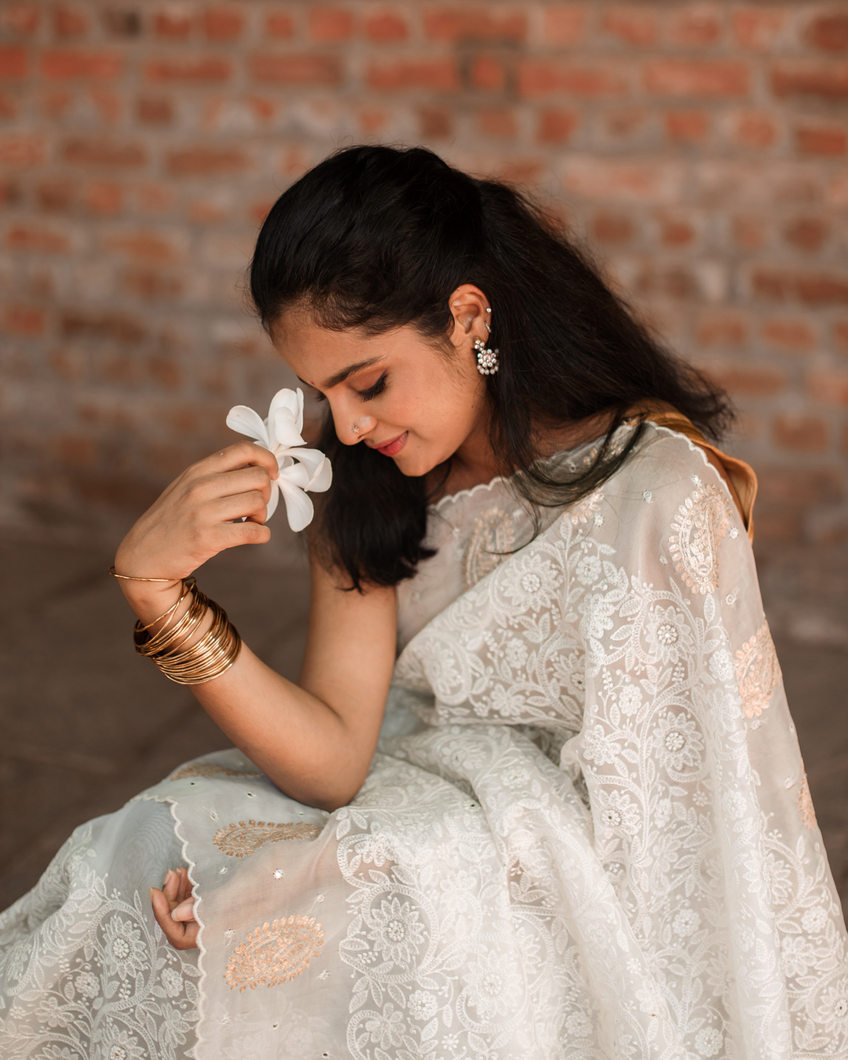
Organza is a crisp, sheer, silk-based fabric that holds its shape more than chiffon or georgette. Its rise this year comes from buyers wanting a lighter saree that still carries a structured, festive finish.
Sheer, Yet Structured
View AllKnown for their crisp finish and sheer appearance, organza sarees create a light yet elegant look for festive occasions.


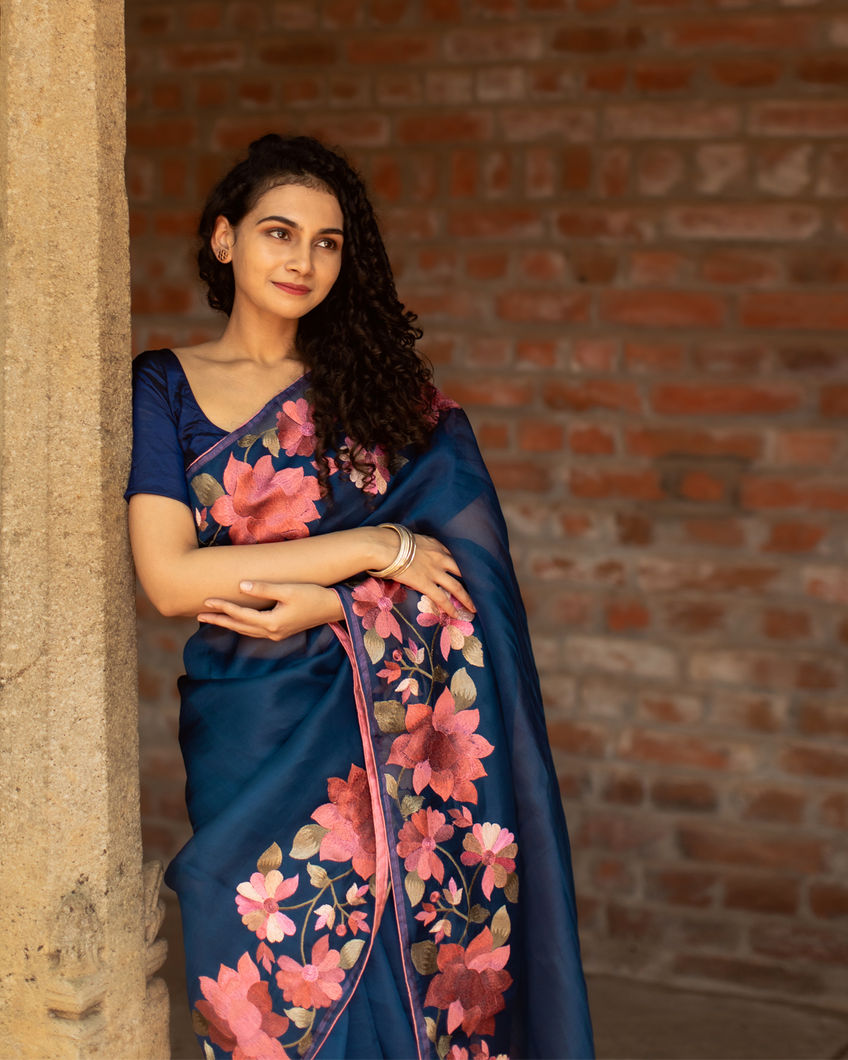
Floral Print Sarees
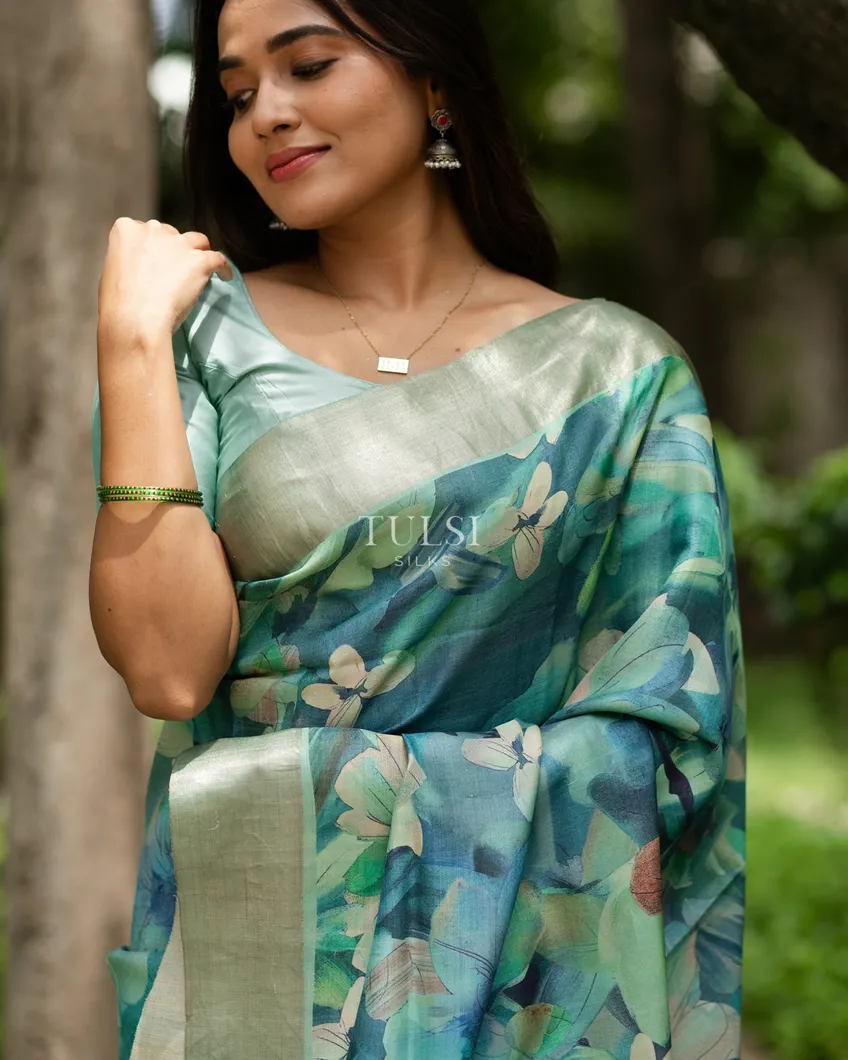
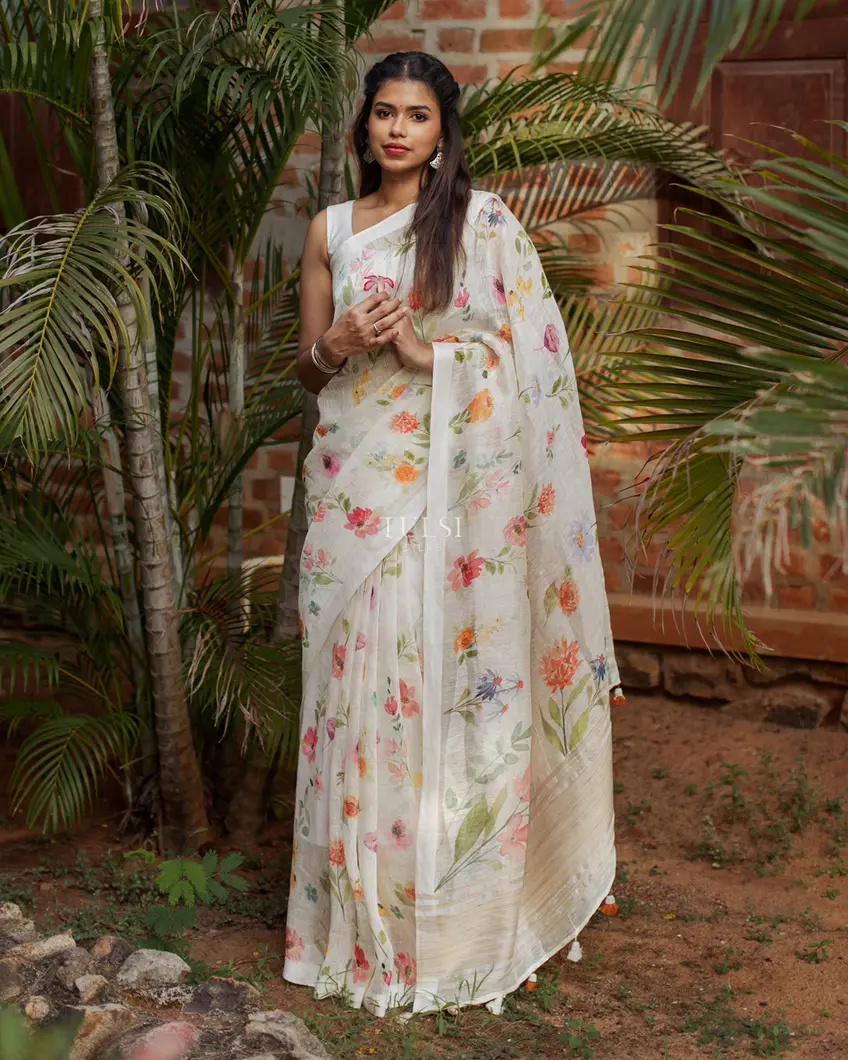
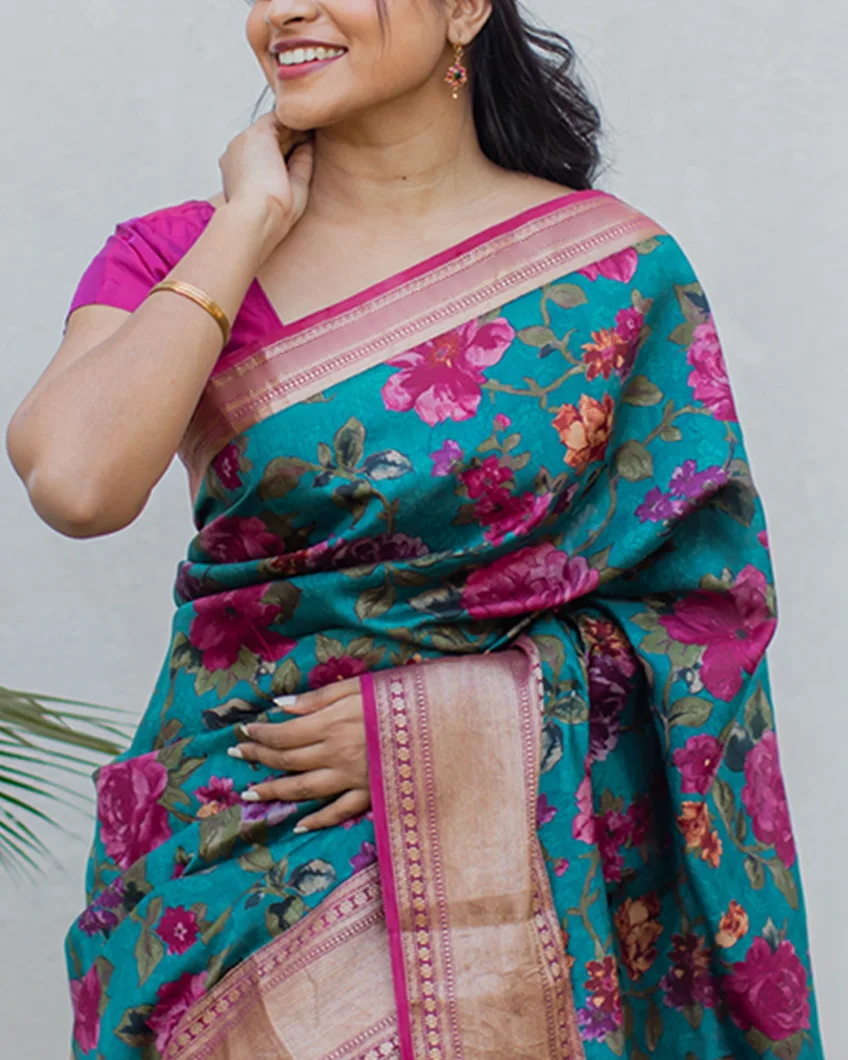
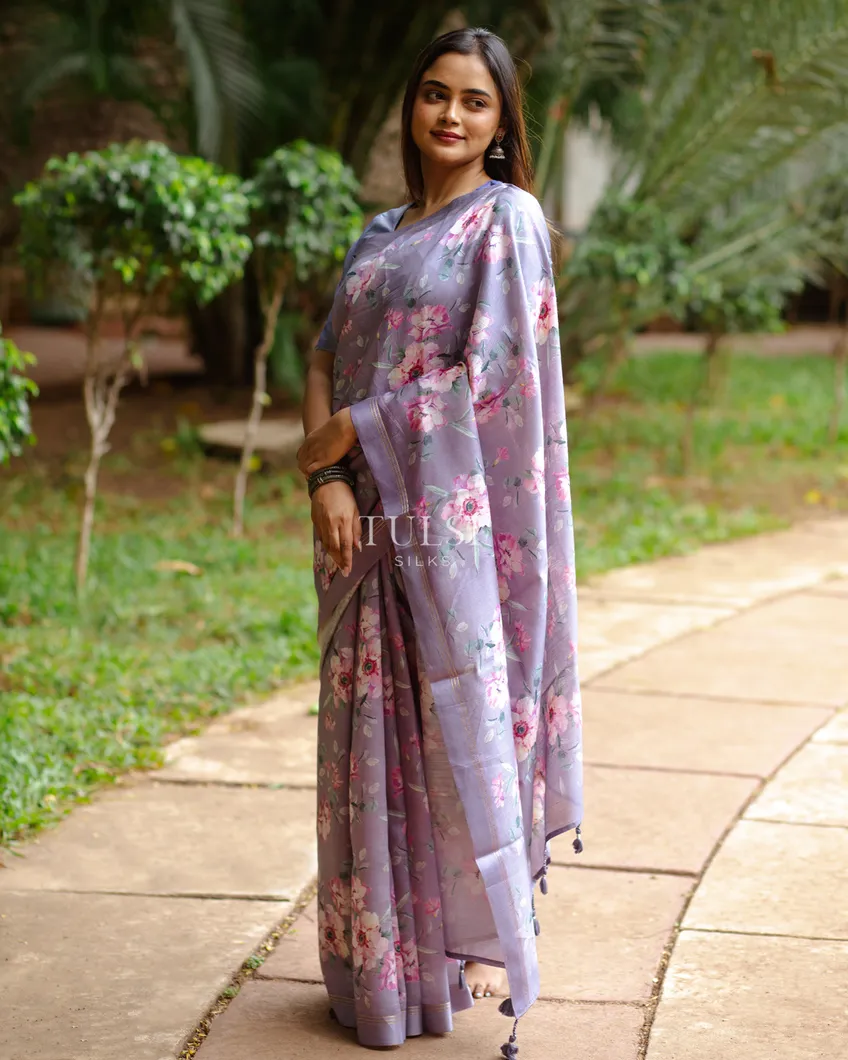
Floral print sarees carry floral motifs, either printed or woven, across a range of base fabrics including chiffon, georgette, and silk. They've stayed consistently in trend reports because they work across both casual and festive settings without needing a specific occasion.
Bloom Across Occasions
View AllFloral prints across silk, chiffon, and georgette bring fresh colours and versatile styles suited for both everyday wear and celebrations.
Bandhani Sarees
Bandhani is a tie-dye technique that originated in Gujarat and Rajasthan, where small sections of fabric are tied into knots by hand and dyed separately to create the saree's dotted pattern. Tamil Nadu has its own version of the craft, known as Chungudi. Bandhani continues to be popular because the hand-tied dye process produces a result machine printing can't fully replicate. For more on the history and the technique of Bandhani sarees, read here about the Traditional Bandhani Silk Sarees.
Knot by Knot
View AllCreated using the traditional tie-and-dye technique, Bandhani sarees are known for their distinctive patterns and vibrant colours.


Paithani Silk Sarees
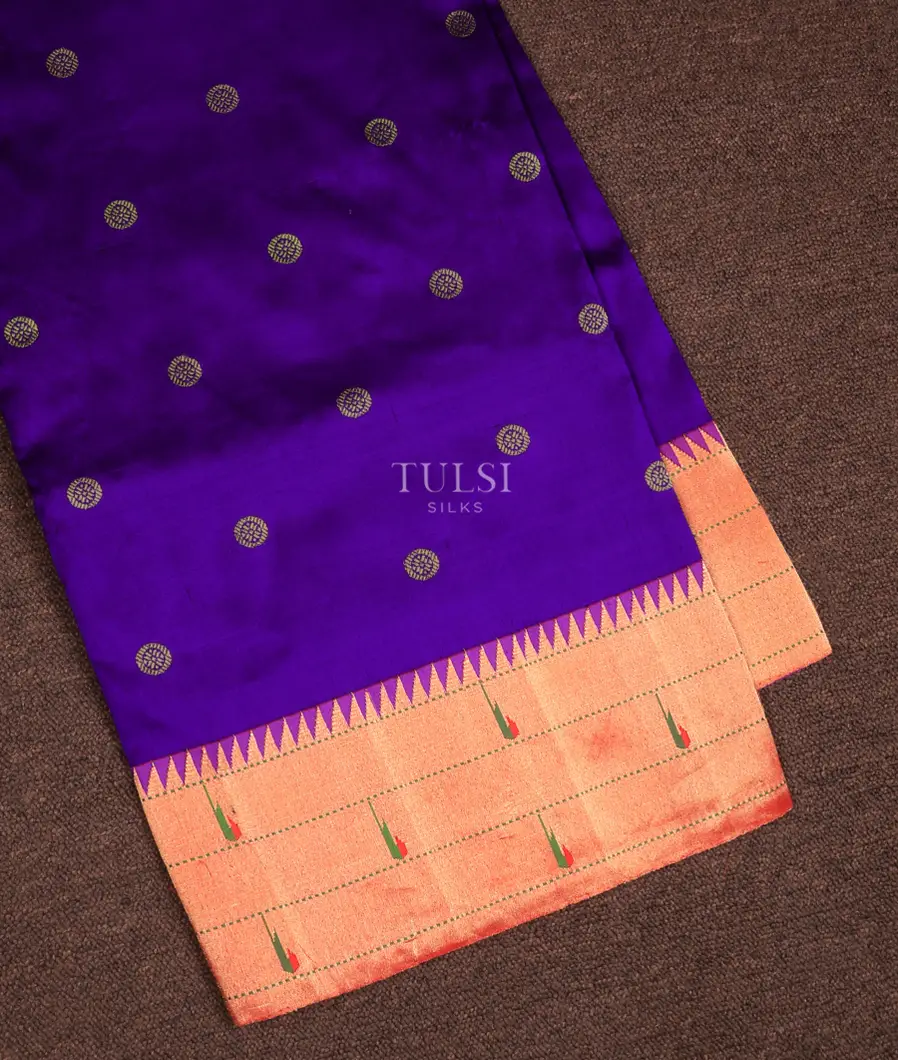
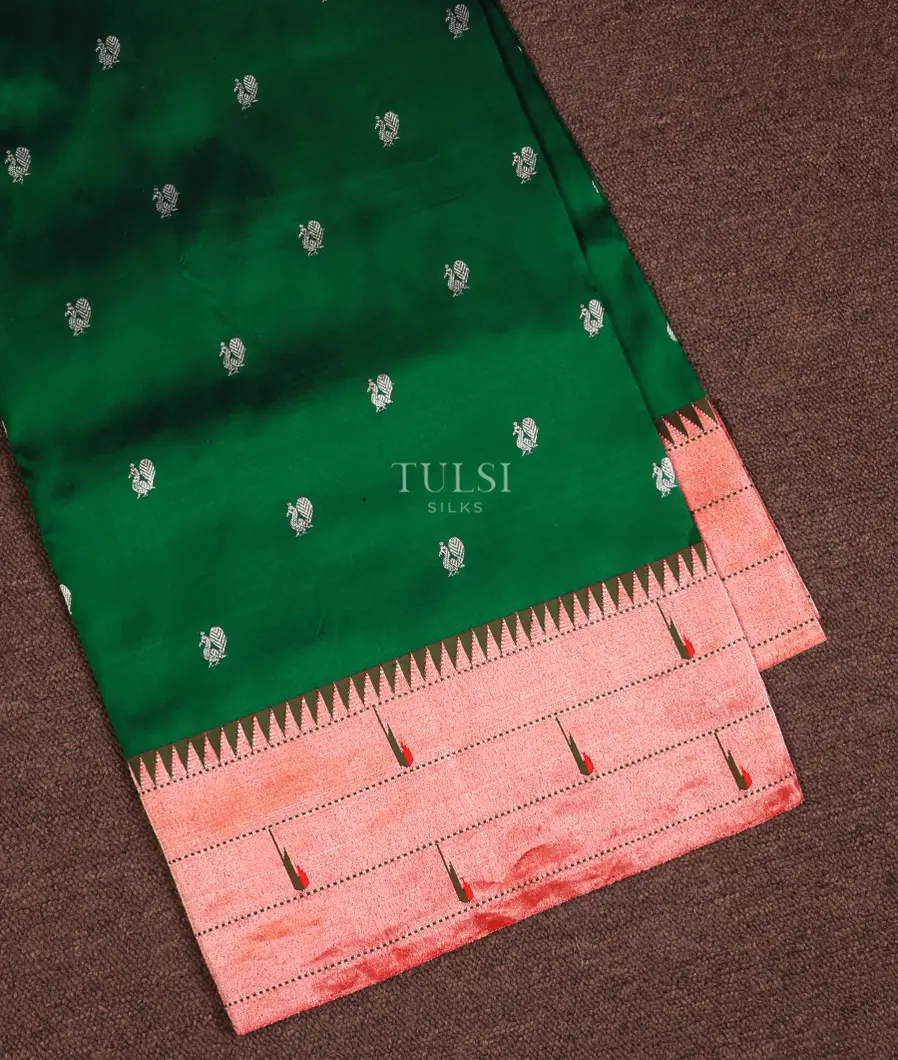
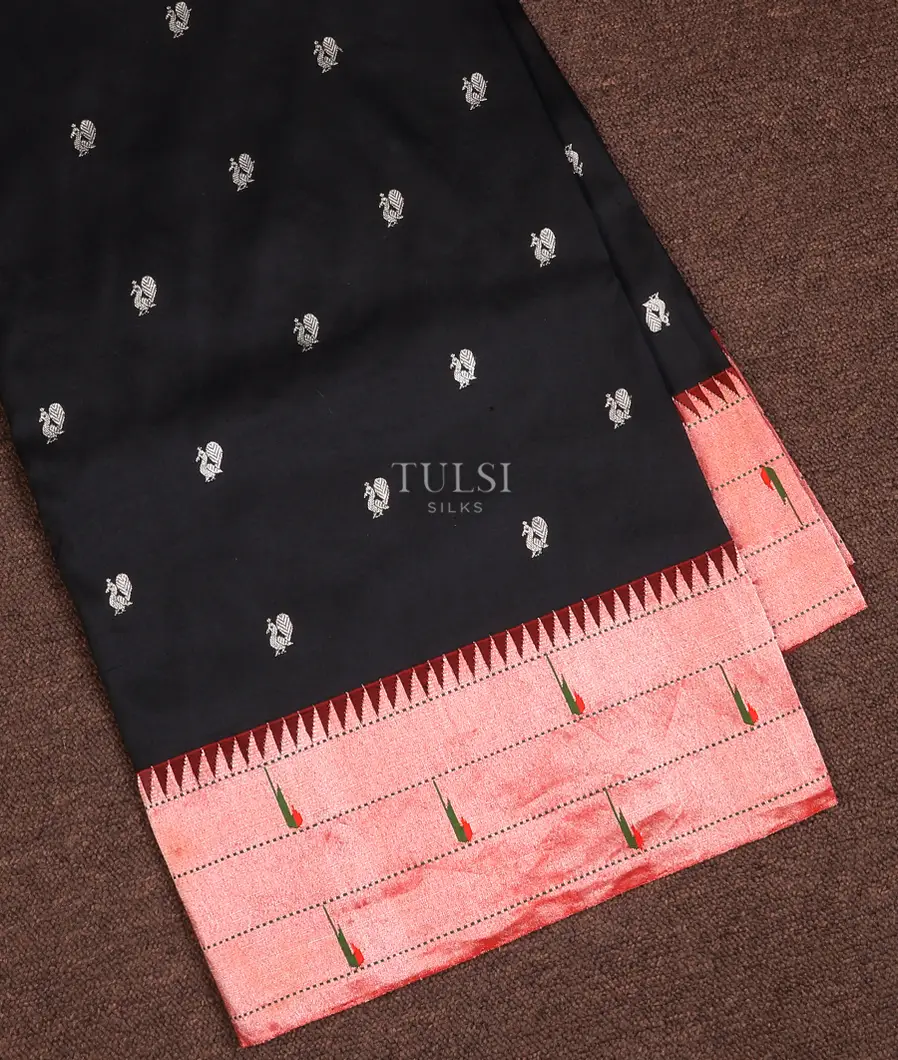
Paithani silk sarees are woven in Paithan, Maharashtra. The body is woven on a handloom, while the border and pallu are created using a separate tapestry-style weaving technique, most recognisable through its peacock motif. It's a smaller category nationally than Kanjivaram or Banarasi, but it's gained more visibility this year as buyers look beyond the more commonly seen weaves.
Peacocks in Silk
View AllHandwoven in Maharashtra, Paithani sarees are recognised for their detailed borders, rich colours, and iconic peacock motifs.


What's Drawing Attention at Tulsi Silks
National trends are one signal. What shoppers at Tulsi Silks actually spend time with is another, and the two track closely.
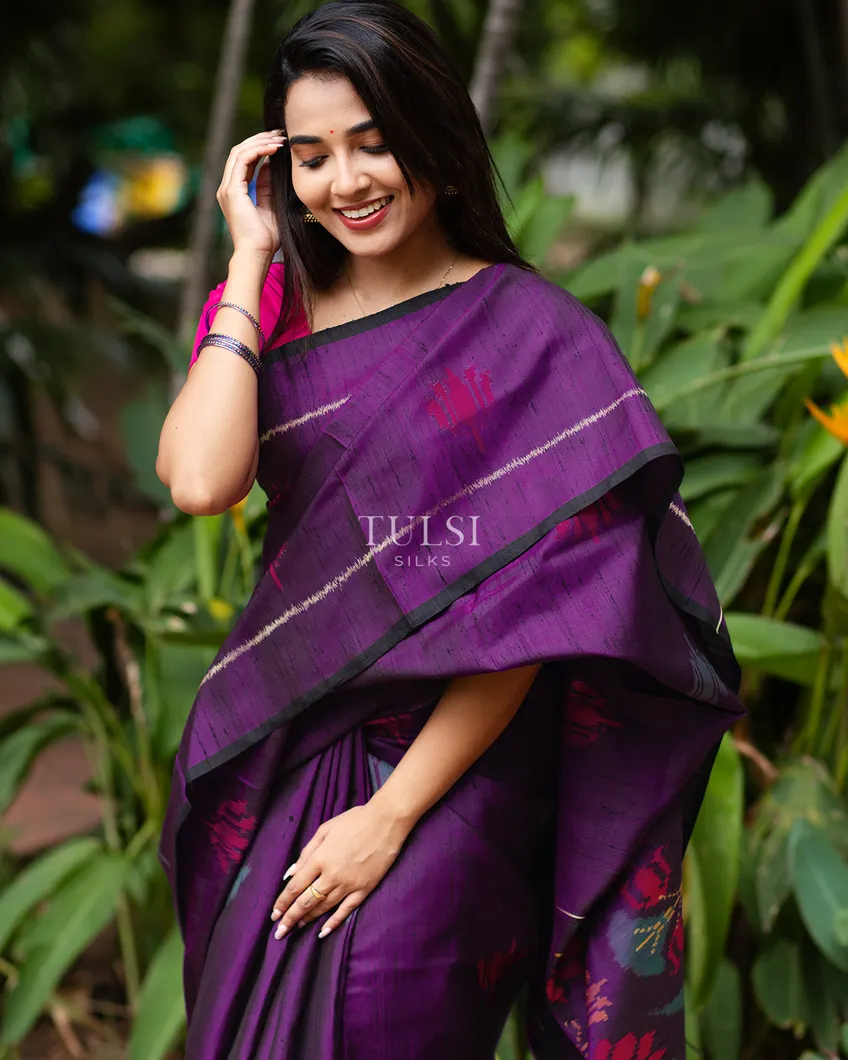
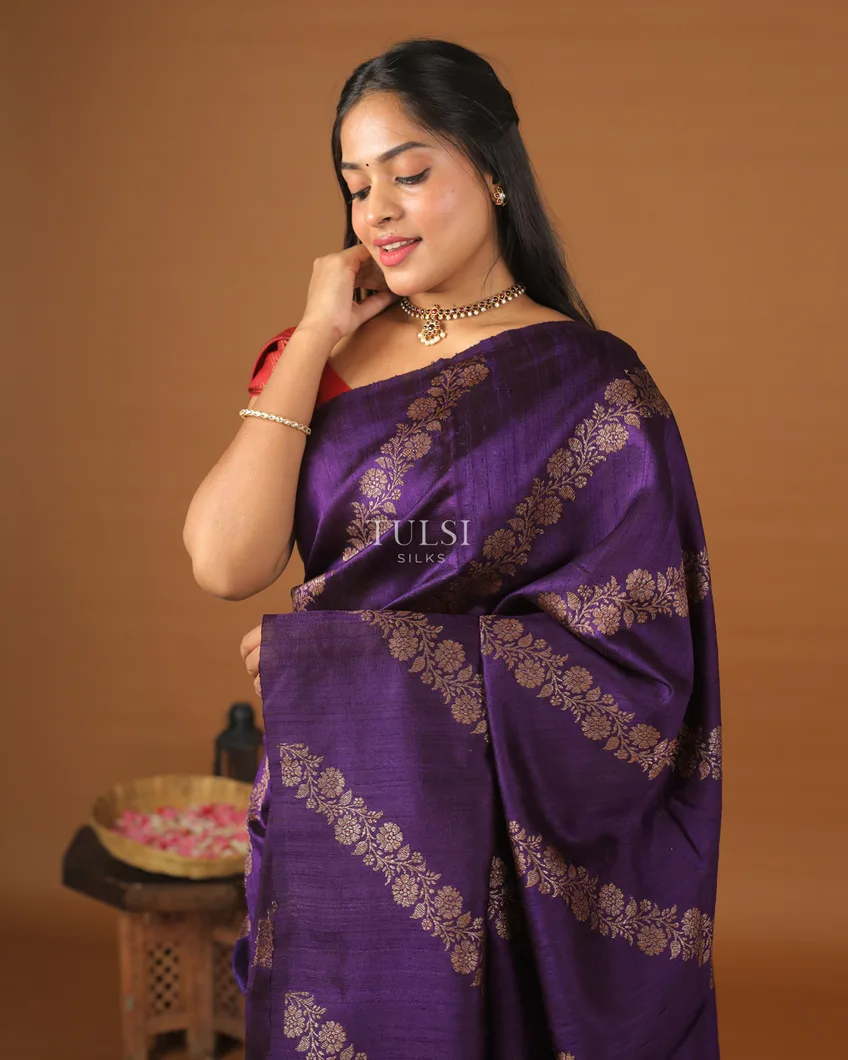
Kanjivaram silk sarees are the constant here, the weave shoppers keep returning to on our own site, which fits with wedding season returning in November. We ship both within India and to NRI customers abroad, and Kanjivaram tends to be the first thing families shop for ahead of a wedding, wherever they're buying from. Alongside it, Soft Silk Sarees and Tussar Silk Sarees draw shoppers looking for something lighter without giving up a silk look. Soft Silk offers a smoother texture and an easier drape, while Tussar brings a natural golden sheen and holds up better against wrinkling and creasing, with both classic Tussar and the distinctive Vidarbha Tussar weave available, all sourced the same way we've sourced Kanjivaram since 1993, directly from weaving clusters rather than through resellers.
Our Instagram Collection, a curated edit of pieces we've featured across our Instagram, sees steady browsing too, less a fabric choice than a way for shoppers to see what's caught our eye lately.
Choosing What's Right for You
A trend list narrows the options, it doesn't make the final call for you. If you're buying for a single wedding or muhurtham, the decision between Kanjivaram and Banarasi usually comes down to how the border and pallu are worked, since that's what carries the occasion. If you're buying something you'll wear more than once, chiffon holds up for evenings, georgette for the office, and Bandhani or Paithani suit buyers who want a piece with a clear identity rather than one that blends in. Whichever weave you land on, ask to see the border join and the zari up close before you decide, it tells you more than any trend list will.

