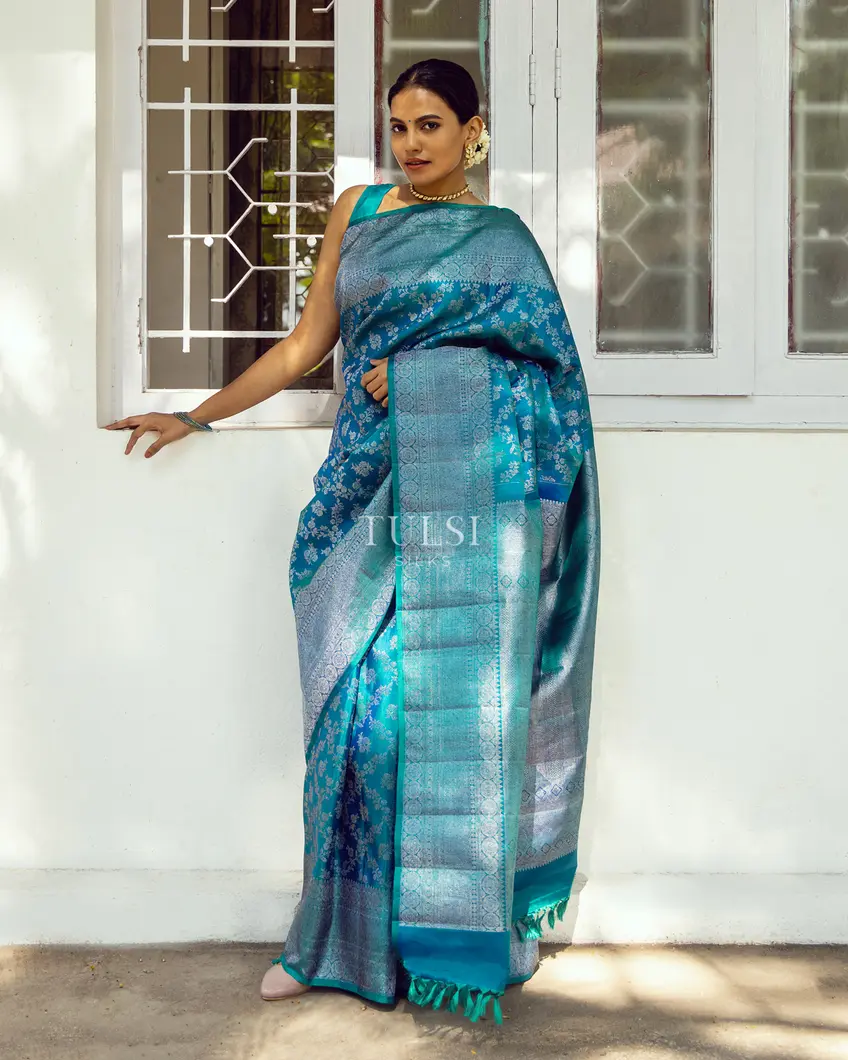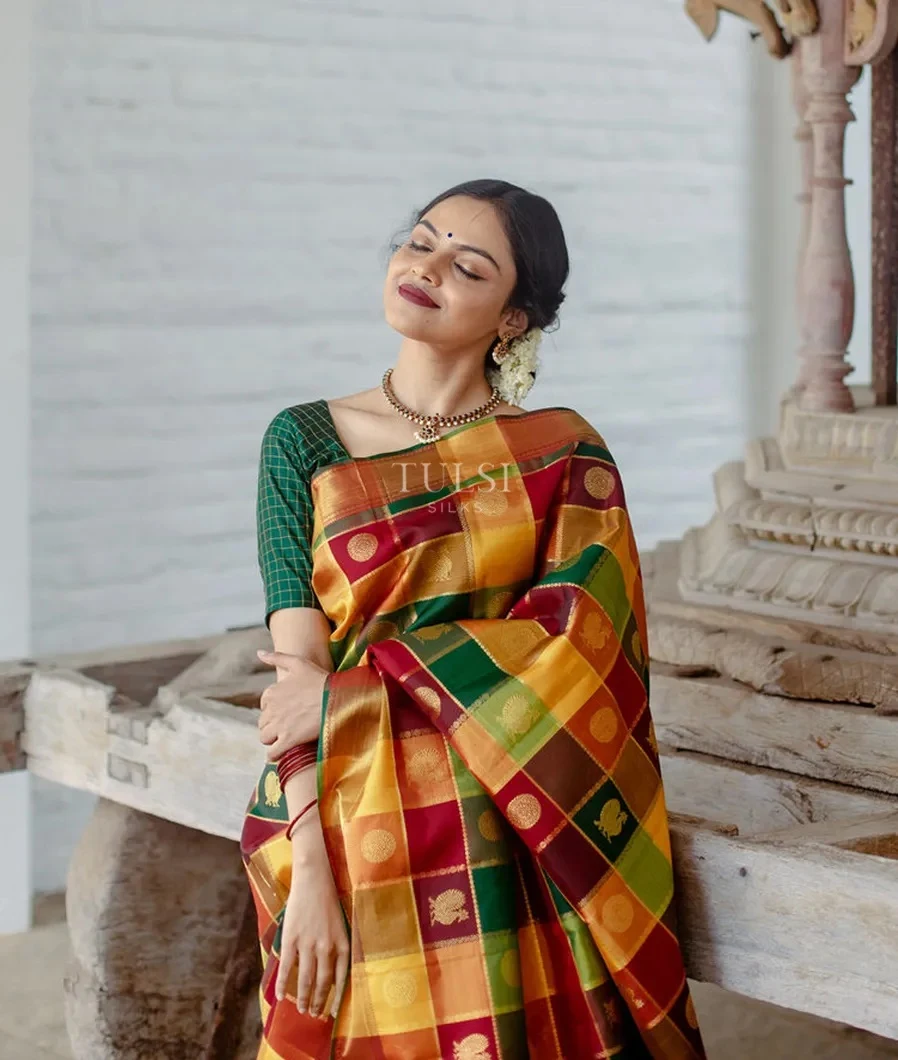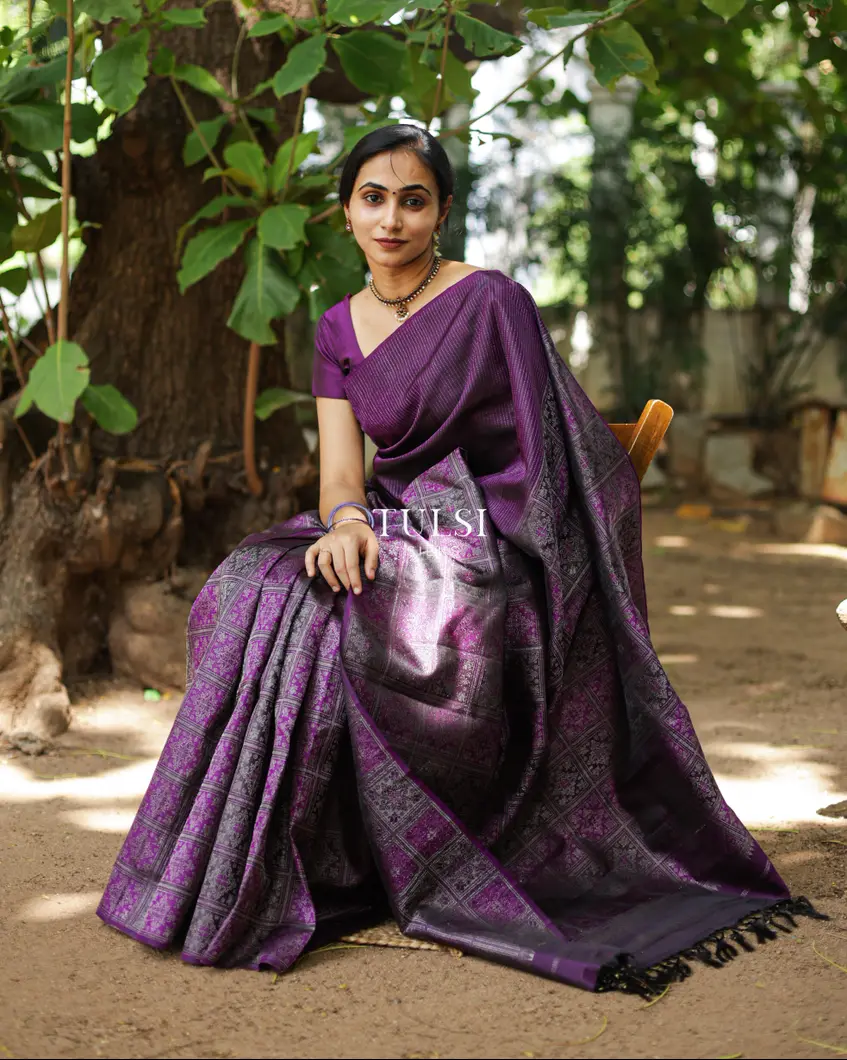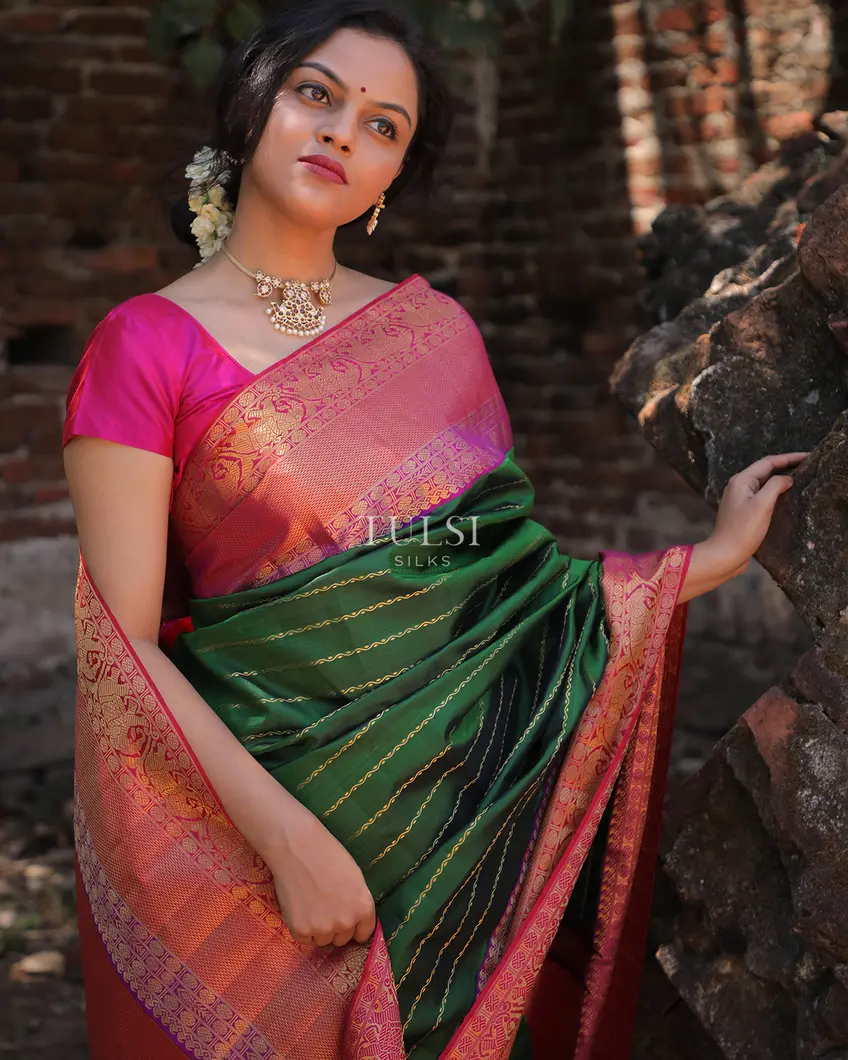
What's in this blog
Choosing a Muhurtham saree involves more than selecting a colour or design. In this guide, we'll explain what makes a saree suitable for the wedding ceremony, clarify the difference between pattu, silk and Kanjivaram sarees, discuss authenticity, understand what drives pricing, and explore practical considerations such as comfort, blouse preparation and long-term care.
Table of Contents
Jump to
- 01Quick Buying Guide
- 02Introduction
- 03What Makes a Saree Suitable for Muhurtham?
- 04Pattu, Silk and Kanjivaram: Understanding the Difference
- 05How to Check the Authenticity of a Muhurtham Saree
- 06What Determines the Price of a Muhurtham Saree?
- 07Choosing Between Heavy and Lightweight Muhurtham Sarees
- 08Practical Blouse and Fit Considerations Before the Wedding
- 09Should Your Reception Saree Be Different from Your Muhurtham Saree?
- 10How to Care for Your Muhurtham Saree After the Wedding
- 11Finding the Right Muhurtham Saree for Your Wedding
Quick Buying Guide
| Buying Factor | What Matters Most |
| Fabric | Silk quality and authenticity |
| Authenticity | Certification, weave quality and retailer credibility |
| Price | Silk, zari and weaving complexity |
| Comfort | Weight, drape and ceremony duration |
| Blouse | Fit and preparation |
| Reception | Different priorities from Muhurtham |
| Longevity | Proper storage and care |
Introduction
The best Muhurtham sarees are not always the heaviest, the most expensive or the most heavily embellished. They are the ones that balance authenticity, comfort and craftsmanship while remaining suitable for one of the most important rituals of the wedding.
For many brides, the challenge isn't finding beautiful sarees. It's understanding what actually matters when comparing one saree to another. Questions about silk quality, zari, authenticity, comfort and price often become far more important than colours or motifs once the buying process begins.
This guide focuses on those decisions. Rather than discussing trends or symbolism, we'll look at how to evaluate a Muhurtham saree, what drives its value and how to choose one you'll be happy wearing throughout the ceremony.
What Makes a Saree Suitable for Muhurtham?
A Muhurtham saree serves a different purpose from most other wedding outfits. It is worn during the ceremony itself, which means it must balance tradition, practicality and comfort.
Many first-time buyers focus primarily on appearance. However, one of the most common regrets retailers hear after weddings is related to comfort rather than design. A saree that feels manageable during a brief showroom visit can feel very different after several hours of rituals, movement and photography.
This is why factors such as drape, weight, ease of movement and silk quality deserve just as much attention as appearance.
A Practical Buying Perspective
One mistake that often catches brides by surprise is assuming that heavier automatically means better.
While weight can reflect dense silk and rich zari work, it does not automatically translate into a better wearing experience. Some brides later find that an extremely heavy saree becomes tiring over the course of a long ceremony.
The goal is not to buy the heaviest saree available. The goal is to find a saree that feels special while remaining comfortable enough to wear with confidence throughout the day.
Pattu, Silk and Kanjivaram: Understanding the Difference
One of the biggest areas of confusion for shoppers is the relationship between pattu, silk and Kanjivaram silk sarees.
"Pattu" simply means silk in Tamil. So when someone asks for a pattu saree, they are generally referring to a silk saree.
The confusion begins because many people use "pattu saree" and "Kanjivaram saree" interchangeably. While understandable, the two terms are not identical.
The simplest way to understand it is:
- Every Kanjivaram saree is a silk saree.
- Every Kanjivaram saree is a pattu saree.
- Not every pattu saree is a Kanjivaram saree.
Banarasi silk sarees, Mysore silk sarees and several other silk weaving traditions also fall under the broader category of silk or pattu sarees.
If you're comparing different silk options, our guide on Kanjivaram vs Soft Silk Sarees explains how these popular bridal choices differ in structure, drape and occasion suitability.
Understanding this terminology early helps prevent confusion later when comparing sarees across collections and price points.
How to Check the Authenticity of a Muhurtham Saree
Authenticity is one of the most important aspects of buying a Muhurtham saree, yet it is often oversimplified.
Many online guides present authenticity as a single check. In reality, no single factor should be used in isolation.
Start with Silk Mark Certification
Silk Mark certification remains one of the most reliable indicators available to buyers.
At Tulsi Silks, our silk sarees are Silk Mark certified, providing customers with additional confidence regarding the authenticity of the silk being purchased.
Look Beyond Surface Shine
A common mistake is judging quality primarily by shine.
While lustre contributes to visual appeal, it tells only part of the story. Silk quality, weaving consistency, drape and zari workmanship are often far more meaningful indicators of value.
Evaluate Multiple Factors Together
The most reliable approach is to assess several indicators together:
- Silk Mark certification
- Weaving quality
- Fabric feel and drape
- Zari workmanship
- Retailer transparency
Authenticity is rarely confirmed by one test. It becomes clearer when several positive indicators align.

What Determines the Price of a Muhurtham Saree?
One of the most common questions buyers ask is:
"Why does one bridal silk saree cost ₹20,000 while another costs more than ₹1 lakh?"
The answer usually comes down to four factors.
Silk Quality
The quality of silk affects texture, durability, drape and overall appearance. Higher-quality silk generally commands a higher price because of the quality of the raw material itself.
Zari Quality
Zari is one of the biggest contributors to price differences.
Different sarees may use different types of zari, ranging from more economical varieties to premium zari incorporating silver and gold plating. This difference can significantly influence cost.
Weaving Complexity
Intricate motifs, elaborate pallus and detailed borders require more time and skill to produce.
Greater weaving complexity generally means greater labour investment.
Handloom Craftsmanship
Authentic handwoven sarees reflect the skill and time of experienced artisans. That craftsmanship forms an important part of the saree's value.
An Important Pricing Insight
In fact, unusually heavy bridal sarees sold at unusually low prices should be approached with caution. Genuine silk density and quality zari contribute to weight, but weight alone should never be used as a measure of authenticity or value.
From our collections
Combining the richness of a Kanjivaram weave with the unmistakable glow of tissue silk, this saree is designed to stand out during life's most memorable occasions.

Choosing Between Heavy and Lightweight Muhurtham Sarees
When comparing options, think beyond showroom impressions.
Consider:
- Length of the ceremony
- Ease of movement
- Climate conditions
- Photography schedule
- Future reusability
Many brides today want a saree that feels special on the wedding day while remaining versatile enough to wear again for family celebrations and special occasions.
This balance is one reason why carefully selected Muhurtham pattu sarees continue to remain a popular choice among wedding shoppers.
Practical Blouse and Fit Considerations Before the Wedding
A well-fitted blouse can elevate even the most beautiful saree.
Begin blouse preparation early enough to allow time for fittings and adjustments.
Before the wedding:
- Complete at least one fitting session
- Check comfort while moving and sitting
- Confirm finishing details
- Review the complete look with the saree
In many cases, fit has a greater impact on the final appearance than brides initially expect.
Should Your Reception Saree Be Different from Your Muhurtham Saree?
For many brides, yes.
The reason is simple: the two sarees serve different purposes.
A Muhurtham saree is selected primarily for the wedding ritual itself. Tradition, cultural expectations and ceremony suitability often guide the decision.
Reception sarees are often chosen differently. Since receptions typically involve more photography and formal portraits, brides frequently prioritise visual impact, contemporary styling and personal expression alongside comfort.
This difference in purpose often explains why brides choose a more traditional saree for the Muhurtham and a more statement-driven saree for the reception.
How to Care for Your Muhurtham Saree After the Wedding
A well-maintained silk saree can remain beautiful for decades.
To preserve its condition:
- Store it in breathable cotton or muslin fabric
- Avoid plastic covers for long-term storage
- Keep it away from direct sunlight
- Refold periodically to prevent permanent creasing
Proper care protects both the silk and the zari, helping preserve the saree for future generations.
Finding the Right Muhurtham Saree for Your Wedding
The right Muhurtham saree is not necessarily the most expensive or the most elaborate.
It is the saree that balances authenticity, craftsmanship, comfort and personal significance.
As you evaluate your options, focus on three things:
- Verify authenticity rather than relying on appearance alone.
- Prioritise comfort alongside craftsmanship.
- Understand what contributes to a saree's value before comparing prices.
Whether you're exploring bridal sarees broadly or narrowing your search to a specific wedding collection, a little understanding goes a long way towards making a confident decision.
Discover Muhurtham Pattu Sarees
Every muhurtham saree tells a different story. Explore silk sarees selected for their craftsmanship, character and lasting appeal.