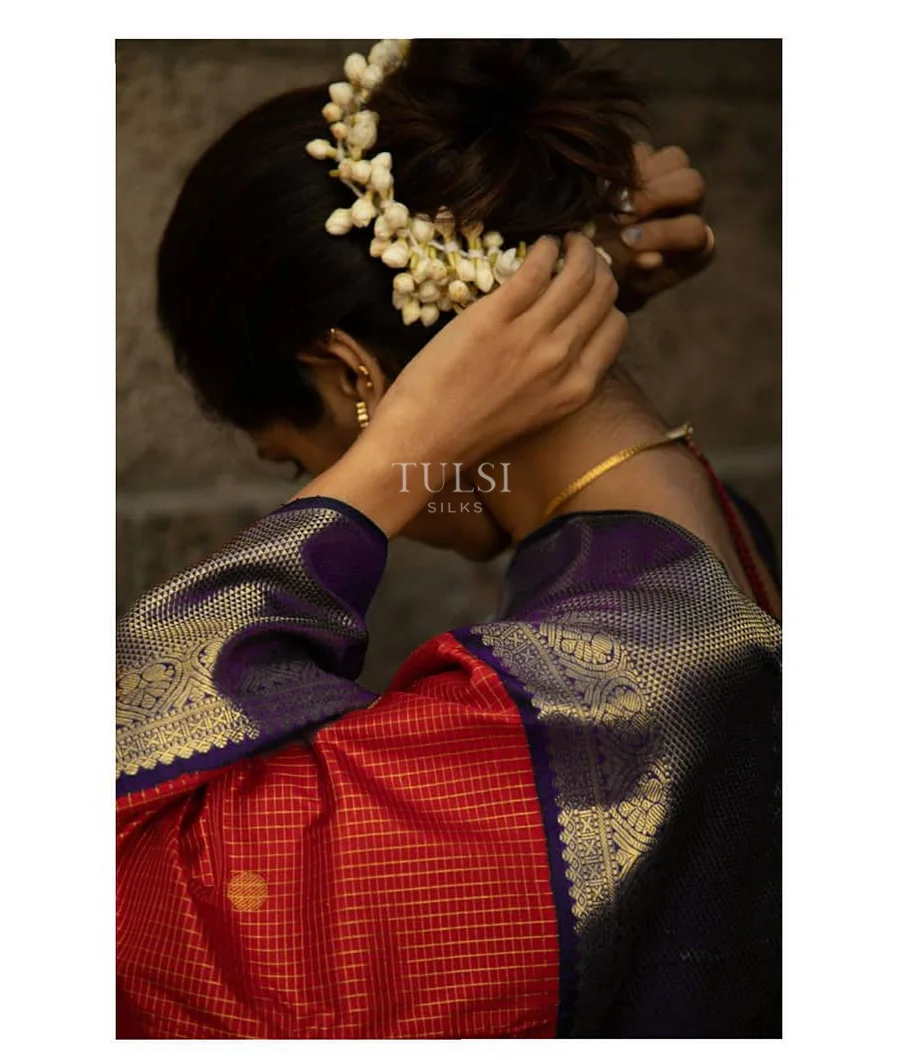
At a Glance: Kanjivaram vs Soft Silk Sarees
Kanjivaram sarees are heavier, more structured and traditionally preferred for bridal wear, muhurtham ceremonies and grand occasions. Soft Silk sarees are lighter, easier to drape and better suited for festive celebrations, family functions and extended wear. If you're looking for heirloom value and timeless tradition, Kanjivaram is often the preferred choice. If comfort and versatility are your priorities, Soft Silk may be the better option.
Table of Contents
Jump to
- 01Kanjivaram vs Soft Silk Sarees: Quick Comparison
- 02What is a Kanjivaram Saree?
- 03What is a Soft Silk Saree?
- 04Weight and Comfort
- 05Drape and Overall Appearance
- 06Motifs and Design Differences
- 07Which Saree Do Women Usually Choose?
- 08Kanjivaram vs Soft Silk for Brides
- 09Durability and Long-Term Value
- 10How to Choose Between Kanjivaram and Soft Silk Sarees
- 11Final Thoughts
What's In This Blog?
Discover the key differences between Kanjivaram and Soft Silk sarees, including weight, drape, durability, wedding suitability, styling and how to choose the right saree for your occasion.
Kanjivaram vs Soft Silk Sarees: Quick Comparison
| Feature | Kanjivaram Sarees | Soft Silk Sarees |
| Weave | Dense and structured | Softer and lightweight |
| Weight | Heavier | Lighter |
| Feel | Rich and firm | Smooth and flowy |
| Drape | Defined and regal | Effortless and fluid |
| Durability | Excellent | Good |
| Best For | Weddings and traditional ceremonies | Festive occasions and family functions |
| Styling | Heritage-focused | Contemporary and versatile |
| Long-Term Value | Heirloom-worthy | Everyday elegance |
What is a Kanjivaram Saree?
Kanjivaram sarees originate from Kanchipuram, Tamil Nadu and are widely regarded as one of India's most iconic silk sarees. Woven using pure mulberry silk and detailed zari work, they are known for their rich texture, durability and timeless appeal.
One of the reasons Kanjivaram sarees continue to hold a special place in Indian weddings is their ability to balance tradition and grandeur. Their structured weave creates sharp pleats, a distinctive drape and a regal presence that many brides and families continue to prefer for important ceremonies.
If you're interested in understanding how these sarees became such an important part of Indian textile heritage, explore our guide on the History of the Kanjivaram Silk Saree.
What is a Soft Silk Saree?
Soft Silk sarees are designed for women who want the elegance of silk with greater comfort and ease of wear. While they retain the richness associated with silk, they feature a lighter weave that creates a softer drape and a more fluid silhouette.
Over the years, many customers looking for wedding guest sarees, festive wear and family function outfits have increasingly gravitated towards Soft Silk because it offers the beauty of silk without the weight associated with heavier traditional weaves.
Weight and Comfort
The most noticeable difference between Kanjivaram and Soft Silk sarees is how they feel when worn.
Kanjivaram sarees are naturally heavier because of their dense silk construction and extensive zari work. This contributes to their luxurious appearance and strong structure.
Soft Silk sarees are significantly lighter and easier to carry for long hours. Women attending day-long celebrations, receptions or festive gatherings often prefer Soft Silk because it offers greater comfort while still delivering an elegant silk look.
In our experience, comfort is one of the biggest reasons younger buyers increasingly add Soft Silk sarees to their wardrobes alongside traditional Kanjivarams.
Drape and Overall Appearance
The drape of a saree influences the entire look.
Kanjivaram sarees create crisp pleats and a defined silhouette. Their structure allows them to hold shape beautifully throughout the day, making them ideal for formal and traditional occasions.
Soft Silk sarees drape naturally and move gracefully with the body. The softer fall creates a more effortless appearance that works particularly well for contemporary styling.
Women seeking grandeur and tradition often choose Kanjivaram, while those looking for elegance with greater comfort frequently prefer Soft Silk.
FROM OUR COLLECTIONS
Experience the comfort and elegance of Soft Silk with this Beige and Purple Saree, featuring a graceful drape and timeless design for weddings and festive occasions.

Motifs and Design Differences
Kanjivaram sarees are known for traditional motifs inspired by temples, nature and South Indian heritage. Common designs include peacocks, floral patterns, checks and intricate zari borders.
Soft Silk sarees often feature lighter motifs, subtle zari work, contemporary colour palettes and versatile patterns that appeal to modern preferences.
While the design language differs, both sarees continue to evolve while retaining their cultural significance.
Which Saree Do Women Usually Choose?
After decades of helping customers shop for weddings and celebrations, we've noticed that Kanjivaram sarees are most commonly chosen for Muhurtham ceremonies, bridal wear and traditional weddings, while Soft Silk sarees are often preferred for receptions, festive occasions and family functions where comfort is equally important. While personal preference always matters, these are the choices we see most often among customers.
Kanjivaram vs Soft Silk for Brides
For bridal ceremonies, Kanjivaram continues to be one of the most preferred choices.
The rich silk texture, traditional motifs and structured drape create a timeless bridal appearance that remains relevant across generations. Even today, many brides shopping for their Muhurtham saree continue to prioritise Kanjivaram because of its traditional significance and enduring elegance.
However, in our experience, brides rarely choose between Kanjivaram and Soft Silk entirely. Many opt for a Kanjivaram saree for the wedding ceremony and a lighter Soft Silk saree for receptions, engagement ceremonies and pre-wedding events where comfort becomes equally important.
Durability and Long-Term Value
One of the strongest advantages of Kanjivaram sarees is longevity.
A well-maintained Kanjivaram saree can remain beautiful for decades and is often passed down across generations. This heirloom quality is one reason families continue to invest in them for milestone celebrations.
Soft Silk sarees also offer durability but are typically chosen for versatility and ease rather than long-term preservation.
If your goal is to own a saree that may become part of your family's story, Kanjivaram often holds an advantage.
However, it's worth noting that a heavier saree does not automatically mean better quality. The quality of a saree depends on factors such as the silk used, weaving technique and craftsmanship rather than weight alone.

How to Choose Between Kanjivaram and Soft Silk Sarees
Choose a Kanjivaram saree if:
- You're shopping for a Muhurtham or traditional wedding ceremony
- You value heritage and heirloom appeal
- You prefer a structured and regal drape
- You want a saree for milestone occasions
Choose a Soft Silk saree if:
- Comfort is a priority
- You expect to wear the saree for long hours
- You're attending receptions, festive events or family functions
- You prefer a lighter and more versatile drape
For wedding ceremonies and traditional celebrations, you can also explore our Wedding Sarees collection. For heritage-inspired occasions, browse our Traditional Sarees collection
For styling inspiration, see these trending Kanjivaram saree looks for brides and wedding guests
Final Thoughts
Kanjivaram vs Soft Silk is not about deciding which saree is better.
It is about understanding which saree is right for your occasion, comfort preferences and personal style.
Kanjivaram sarees bring heritage, grandeur and heirloom value, while Soft Silk sarees offer comfort, versatility and effortless elegance. The right choice depends on the occasion, your personal style and how you want to experience silk.
Explore Bridal Kanjivaram Sarees
Considering a Kanjivaram for your wedding? Explore our Bridal Kanjivaram Saree collection to discover designs that combine timeless tradition with bridal elegance.