

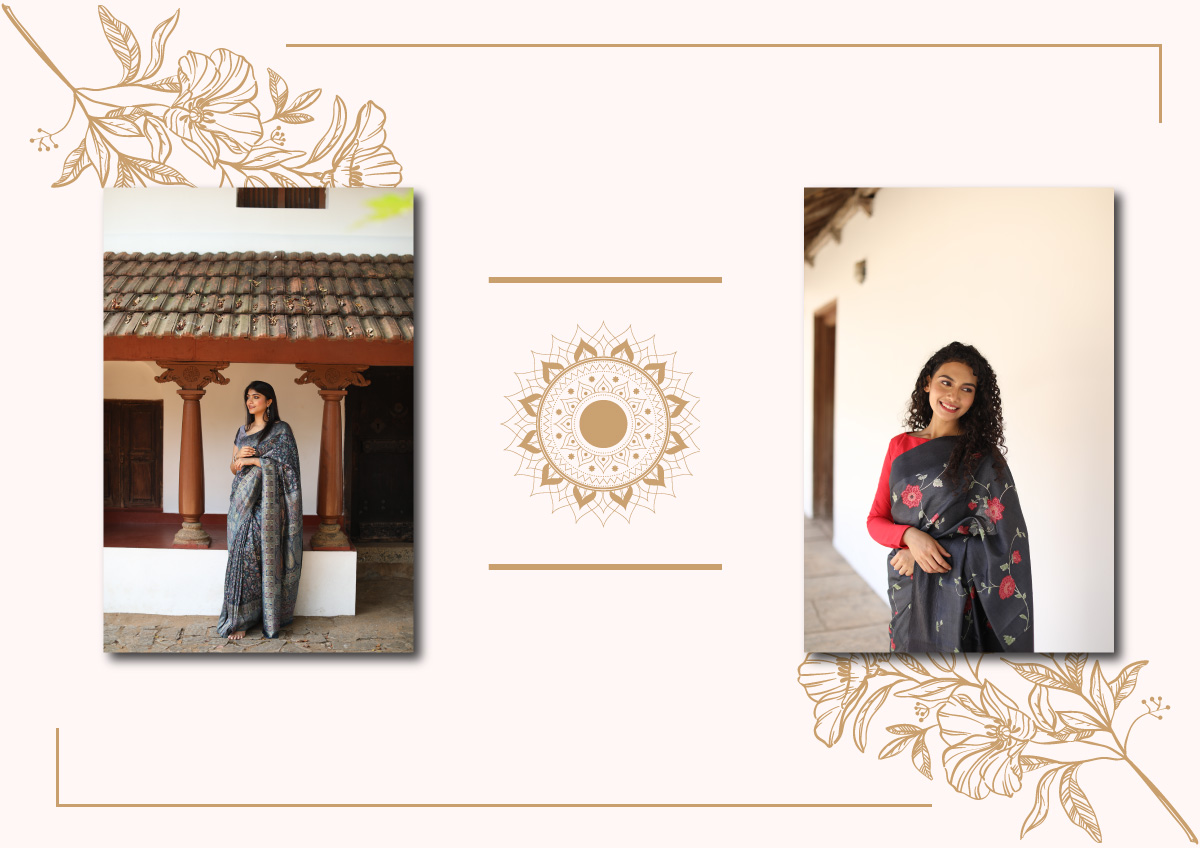
Poojas hold a special place in Indian homes. They bring families together, create moments of calm, and allow us to pause from our busy routines. Whether it’s a simple Friday puja, a festival, or a special prayer at home, what we wear is often influenced by tradition and personal belief.
At Tulsi Silks, one of the most common questions women ask is, “Can we wear black sarees for pooja?”
The answer is not the same for everyone. It is shaped by family customs, regional practices, and today’s evolving fashion choices. This blog explores cultural beliefs, modern perspectives, and ways to style black sarees respectfully for a pooja setting.
Why Colour Matters in Indian Rituals
Colours hold symbolic meaning in Indian culture. Yellow, red, green, and orange are often chosen for poojas because they represent positivity, purity, and auspiciousness.
Black, on the other hand, has traditionally been associated with:
- simplicity
- absorption of energy
- non-celebratory moments
Because of this, many families avoid black during rituals. It isn’t considered “negative,” but simply not associated with festive or sacred occasions in certain communities.
This is why elders often encourage wearing bright colours for special poojas at home or in the temple.
So, Can You Wear a Black Saree for a Pooja?
The balanced and respectful answer: It depends on the type of pooja and your family’s beliefs.
Most poojas do not have a strict dress code, and many modern households do not mind dark colours as long as the outfit is modest and respectful.
Wearing a black saree is not wrong, but in some settings, it may feel out of place simply because of long-standing cultural habits.
If your family is comfortable with it, or if the pooja is simple and personal, wearing a black saree is absolutely acceptable.
When Wearing Black Sarees Is Perfectly Fine for Pooja
1. Daily or Weekly Poojas at Home
In everyday rituals, the focus is devotion, not colour.
Simple Black Cotton Sarees or soft, minimal Black Printed Sarees are comfortable and appropriate.
2. Personal or Quiet Prayers
If you're performing a private prayer or lighting a lamp in the evening, a black saree, especially a plain one, feels modest and elegant.
3. Modern and Urban Households
Many families today welcome dark shades, focusing more on cleanliness and neatness rather than the colour itself.
4. Simple Festival Poojas at Home (When Family Has No Restrictions)
Some women prefer darker shades during morning chores and transition smoothly into pooja time without changing outfits.
When It’s Better to Avoid Wearing Black for Pooja
1. During Important or Auspicious Poojas
Poojas like Satyanarayan pooja, Lakshmi pooja, Grihapravesham, or Navratri rituals usually call for bright, joyful colours. Wearing black might feel culturally misaligned.
2. When Elders Prefer Traditional Dress Codes
In many households, wearing brighter colours during rituals is a way of honouring the beliefs of older generations.
3. In Larger Community or Temple Poojas
When a ritual is organised for a group, people usually expect clothing that reflects auspiciousness and celebration.
If You Choose to Wear Black, Select the Right Saree
If your family is open to it, here are elegant ways to make black look appropriate for a peaceful pooja atmosphere.
Black Soft Silk Sarees
Soft silks with minimal zari look serene and respectful without appearing too festive.
Black Traditional Sarees
Handloom weaves or temple borders maintain cultural roots while using a darker shade.
Black Cotton Sarees
A popular choice for home poojas because they feel grounded, breathable, and authentic.
Black Organza Sarees
Light organza with subtle detailing can look graceful for smaller rituals.
Black Fancy Sarees
If you're attending an evening pooja or devotional gathering, sleek and elegant fancy sarees with modest embellishments work well.
Choose something simple, graceful, and not overly shimmery.
Styling Your Black Saree for a Pooja
1. Keep the Blouse Modest
Half sleeves, elbow sleeves, or simple necklines enhance the traditional pooja feel.
2. Choose Soft Jewellery
Pearls, small studs, thin gold chains, or simple bangles keep the look devotional and peaceful.
3. Add a Small Bindi
A bindi completes the pooja-ready look beautifully, especially when paired with black.
4. Go for Soft Makeup
Minimal makeup suits the spiritual atmosphere and keeps your face fresh.
5. Wear Comfortable Hair Styles
Braids, low buns, or neatly pinned hair look elegant and appropriate.
6. Choose the Right Footwear
Flat sandals or simple traditional footwear work well, especially for home rituals.
What to Choose Instead of Black for Highly Auspicious Poojas
If you want to stay aligned with tradition, these are wonderful alternatives:
- Yellow
- Orange
- Green
- Pink
- Off-white
- Red (in many cultures)
These colours feel vibrant, festive, and culturally rooted.
Final Thoughts
So, can you wear a black saree for a pooja?
Yes, as long as it aligns with your family’s comfort and the nature of the ritual.
Black sarees can look modest, elegant, and respectful when styled thoughtfully. But for major rituals rooted in tradition, brighter colours often feel more in tune with the occasion.
At Tulsi Silks, we believe devotion is expressed from the heart. Whether you choose a classic cotton drape or a refined silk, your sincerity is what truly matters during a pooja.

