
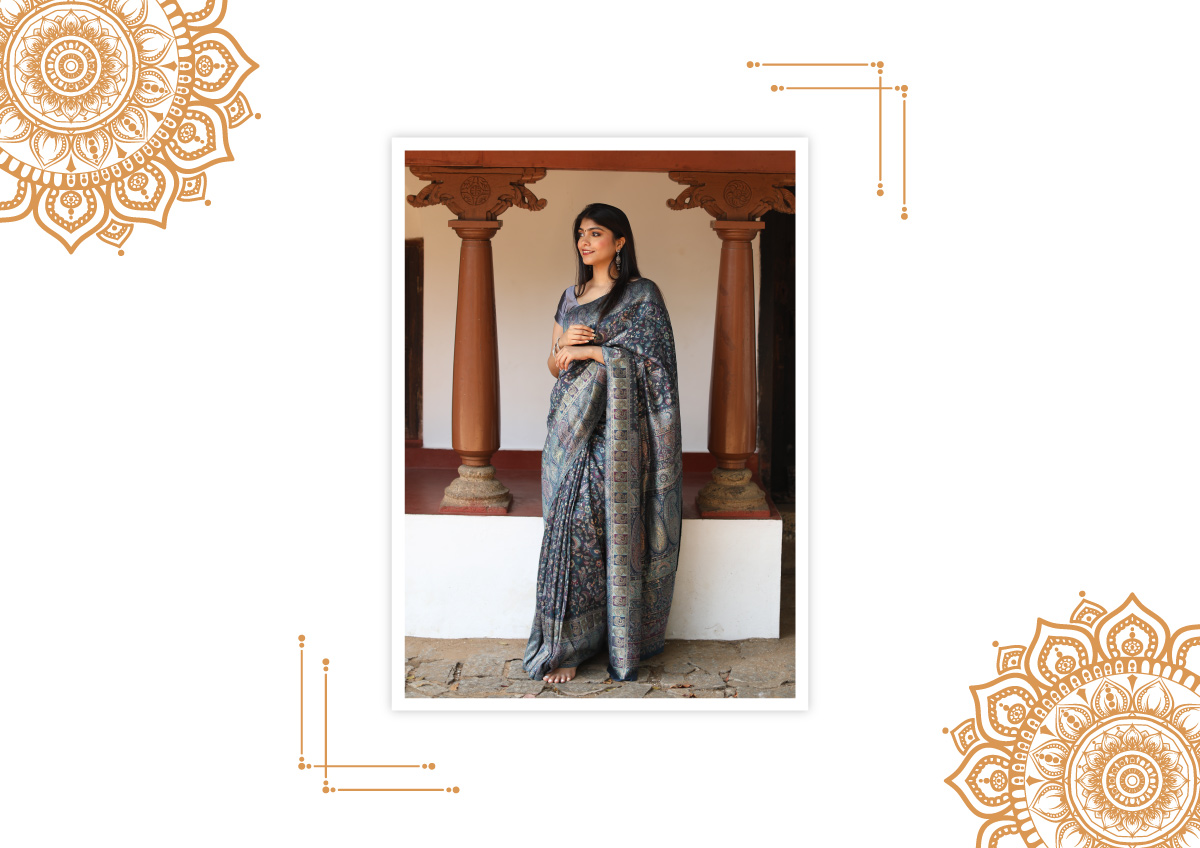
Sankranti is one of India’s most joyful festivals. It marks the beginning of harvest season, the arrival of warmer days, and a sense of gratitude for nature’s blessings. Homes are decorated with rangoli, sugarcane fills the air with sweetness, and families come together for prayers and feasts.
In the middle of all this celebration, many women wonder: “Is it okay to wear a black saree on Sankranti?”
At Tulsi Silks, customers often ask this exact question. While everyone loves the elegance of black sarees, festival customs sometimes make colour choices confusing. This blog helps you understand Sankranti traditions, modern interpretations and how to dress thoughtfully for the occasion.
Why Colours Matter During Sankranti
Sankranti celebrates light, energy and new beginnings. This is why bright and warm shades such as yellow, orange, green and red are traditionally preferred. These colours symbolise:
- positivity
- prosperity
- joy
- the warmth of the sun
Black, meanwhile, has long been seen as a colour associated with simplicity, stillness or everyday wear. For many families, black doesn’t match the festive and auspicious vibe of Sankranti.
So, Can We Wear a Black Saree on Sankranti?
You can, but it may not fit traditional expectations.
Most households prefer vibrant colours for Sankranti rituals and pujas. Wearing black is not considered “wrong,” but it simply doesn’t align with the joyful symbolism attached to the festival.
If your family follows strict customs, choosing a brighter saree may be the best option.
However, if your household has a modern outlook or you’re dressing for a casual gathering, wearing a black saree can still be acceptable, especially when styled mindfully.
When Wearing a Black Saree on Sankranti Is Acceptable
1. If Your Family Doesn’t Follow Colour Restrictions
Many urban or younger households have moved away from strict colour rules.
In such cases, a simple black saree, especially Black Cotton Sarees or minimalist drapes, can be perfectly fine for casual Sankranti celebrations.
2. For Non-Ritual Celebrations
Events like community gatherings, get-togethers with friends, kite-flying functions or potluck meals usually have no strict dress code.
3. If You Balance It With Festive Styling
Gold jewellery, bright blouses, or colourful accessories can make a black saree feel more festive and Sankranti-friendly.
When to Avoid Wearing Black on Sankranti
1. During the Main Pooja or Rituals
For prayers, offerings and traditional ceremonies, families usually expect bright and auspicious colours. Wearing black might feel out of place and may be discouraged by elders.
2. In Conservative or Traditional Homes
Some regions, especially in South India and Maharashtra, follow strong colour customs during harvest festivals.
In such settings, it’s respectful to choose warm, lively shades.
3. When You’re Attending a Large Family Celebration
If the gathering includes elders or follows specific customs, it’s better to avoid black and choose something that aligns with the festive mood.
If You Choose to Wear Black, Pick the Right Saree Style
If your family is open to modern dressing, here are elegant black saree choices that still feel graceful for Sankranti:
Black Soft Silk Sarees
These look rich and elegant. Subtle zari or temple borders can make the saree feel festive without being too loud.
Black Traditional Sarees
Handloom weaves, korvai borders or classic checks balance tradition and modernity beautifully.
Black Cotton Sarees
Perfect for morning poojas or simple home celebrations if your family allows darker colours.
Black Fancy Sarees
Wear these only for casual gatherings, not rituals. Light shimmer or embroidered borders can add a celebratory touch.
Pairing these with colourful blouses can make the look more Sankranti-appropriate.
How to Make a Black Saree Look Festive for Sankranti
If you do decide to wear black, try these styling ideas to keep the look bright and positive:
1. Choose a Vibrant Blouse
Mustard, maroon, emerald green or ruby red blouses instantly lift a black saree.
2. Add Gold Jewellery
Temple jewellery or antique gold pieces create a warm festive glow.
3. Add a Bindi and Fresh Flowers
A small bindi and jasmine flowers balance the depth of black with traditional Sankranti charm.
4. Carry a Colourful Potli
A bright potli adds a cheerful, celebratory touch.
5. Use Soft, Natural Makeup
Warm tones, gentle highlights and well-defined eyes make the look complete without taking away the softness of the festival.
Beautiful Colour Alternatives for Sankranti
If you want to stay fully aligned with tradition but still look elegant, here are wonderful alternatives:
- Yellow or mustard
- Orange or rust
- Pink
- Green
- Off-white
- Coral
- Maroon
These shades match the warmth and spirit of Sankranti beautifully.
Final Thoughts
So, can we wear a black saree on Sankranti?
Yes, if your family is comfortable with it and it’s not during the main ritual.
But traditionally, the festival embraces colours that reflect sunlight, harvest and positivity. That’s why many prefer brighter shades.
Black sarees are timeless and elegant, but Sankranti carries its own cultural meaning.
The best choice is one that respects your family’s beliefs while still helping you feel confident and beautiful.
At Tulsi Silks, we believe every saree becomes special when worn with intention, warmth and respect for tradition.

